The risks, ranked by how often we see them
- Altitude sickness on Ladakh and Spiti routes. Passes sit above 5,000 m and Leh itself is at 3,500 m. Mild symptoms (headache, poor sleep) affect a third of riders on day one; serious cases are rare because our itineraries climb gradually and the backup vehicle carries oxygen.
- Low-speed falls on gravel, water crossings and sand. Bruises, not fractures, in almost every case, because speeds are low and everyone wears full gear. Crash guards on every bike keep the motorcycle rideable.
- Stomach upsets. Common in the first days if you eat street food or drink tap water. We provide bottled or filtered water and choose restaurants our crew eats at.
- Fatigue. Long days at altitude in changing weather wear riders down. Daily distances are 120 to 250 km with rest days built in, and anyone can ride in the backup vehicle for a stage.
- Traffic incidents. Rarer than riders expect. Highway traffic near cities is chaotic but slow; the mountain routes carry little traffic. The tour leader sets the pace and the group rides in formation with a sweep rider at the back.
How Indian roads actually work
The rule that surprises everyone: size and position win, not right of way. Trucks and buses expect you to yield. Horns are information ("I am here"), not aggression. Overtaking on blind corners happens, so you hold your line, keep to the left edge and let the lead rider pick the moments to pass.
Surfaces change without warning: tarmac, then gravel, then a water crossing, then tarmac again. The Himalayan 450 handles all of it at the speeds we ride. On day one you get a 30-minute briefing and a shakedown ride before the first mountain stage.
Night riding is never on our itineraries. Every stage ends before dark.
Who rides with you
- Tour leader at the front: knows every stage, hospital and hotel; trained in first aid and altitude sickness recognition.
- Sweep rider at the back: nobody is ever alone.
- Mechanic with the group, servicing bikes every evening.
- Backup vehicle carrying luggage, spares, fuel, first-aid kit, oxygen and a spare motorcycle. It also carries tired riders and non-riding partners.
Groups are 6 to 12 riders. The full protocol for injuries, breakdowns and evacuation is on our Safety and Support page.
Solo travellers and women riders
Roughly a third of our international guests book alone and join a fixed departure. You ride with a group from day one, share hotels with other riders if you choose the twin-share rate, and are never left to negotiate transport, hotels or police checks on your own.
Women riders join most departures and several ride solo. Practical points: hotels are pre-booked and vetted; you are never alone on the road; the crew handles every interaction at checkpoints; dress conservatively off the bike in towns and villages, which also keeps you cooler and reduces attention. If you would like to be paired with other women riders for room sharing, tell us at booking.
Police checks, permits and documents
Checkpoints on the Manali-Leh road and around Ladakh are routine. You will be asked for your passport, visa, home motorcycle licence and International Driving Permit that covers motorcycles. The tour leader handles the paperwork and inner-line permits; you only need to have your documents with you. Keep photocopies and phone photos as backups.
Health preparation before you fly
- See a travel clinic four to six weeks before departure. Hepatitis A and Typhoid are commonly recommended; nothing is mandatory for entry from the USA, UK, EU, Australia or Canada.
- If you take regular medication, bring enough for the trip plus a week, in original packaging.
- For Himalayan routes, ask your doctor about acetazolamide for altitude. We do not supply prescription drugs.
- Insurance must cover riding a motorcycle above 125 cc, altitude to at least 5,600 m, medical treatment and evacuation. Many standard policies exclude all three by default; we send the wording to check with your quote.
What to do if something goes wrong
- Stop safely and signal the sweep rider; the group stops within minutes.
- First aid from the tour leader and the vehicle kit. For anything beyond minor treatment, the backup vehicle takes you to the nearest clinic on our list for that stage.
- We call your insurer's assistance line and your emergency contact the same day and handle the paperwork.
- Riders who recover rejoin the group; those who cannot are taken to the nearest airport with their luggage.
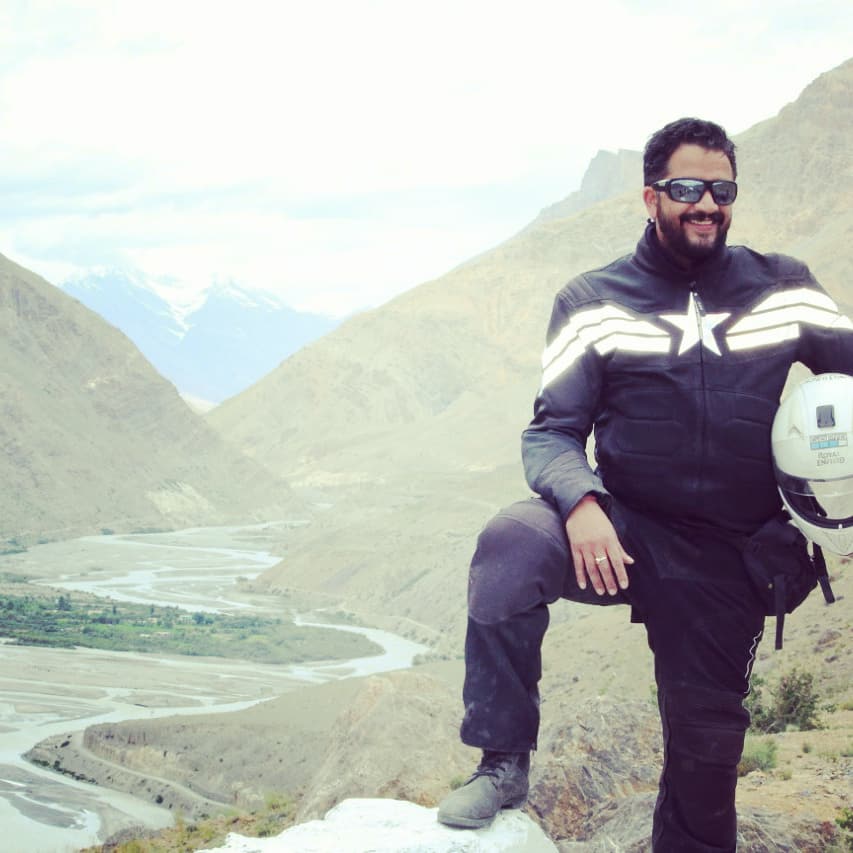
Rajesh Kumar founded Brahmand Tour in 2015 after 15 years of travelling India and has led Royal Enfield groups over every major Himalayan pass. About the team.