
We value your privacy
We use cookies to enhance your browsing experience, serve personalized ads or content, and analyze our traffic. By clicking "Accept All", you consent to our use of cookies.
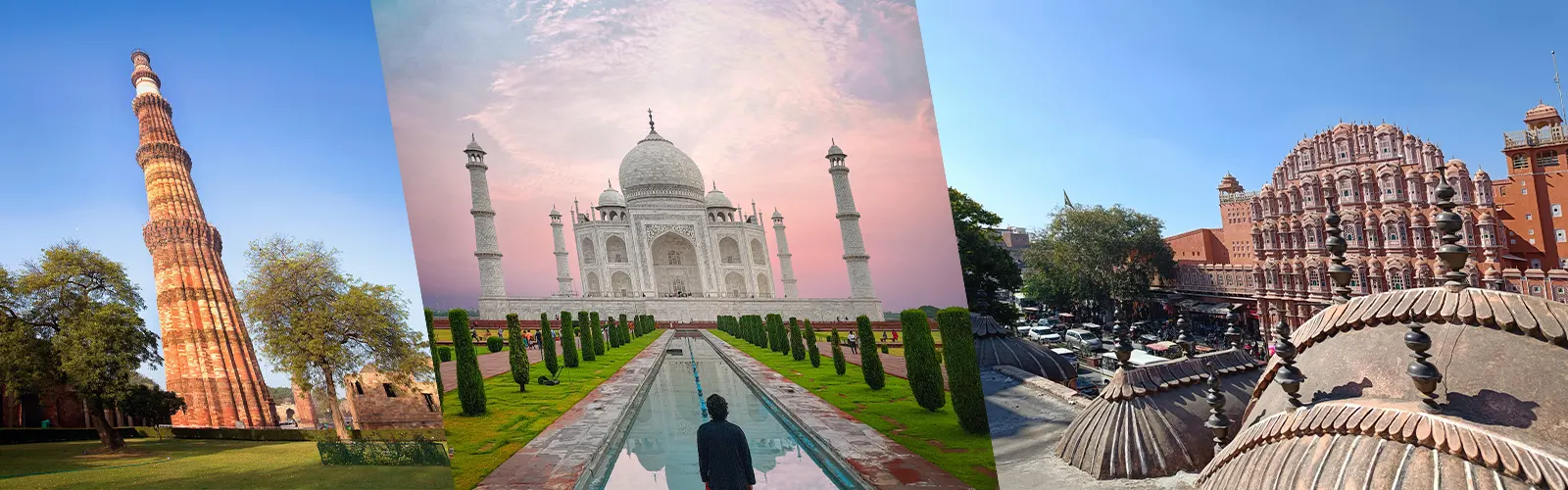
Before you plan a trip to India, read this to know all the important information about India, such as the best time to visit, weather, travel options, currency, visa, cuisine, and things to carry. Travelling by motorcycle? See our dedicated India motorcycle travel guide for riding seasons, permits and what to pack.
Being a tropical country, India has huge temperature variations from region to region. The coolest weather lasts from November to March. The hot weather lies between March to June when it is dry, dusty & unpleasant. Monsoon season stretches from Mid-June to August in most regions. Instead, there is a list of best places to visit in July in India for a wonderful experience.
In the south & Coastal areas day daytime temperatures even in the cool months can be in the mid-20s centigrade, though the nights are cooler. In central India and hilly areas in the southern part of the country, night temperatures can drop to under 10°C in winter. In the north, winter temperatures can approach 0°C even in the plains, and of course, it drops below freezing in the Himalayan region.
Paper Note denominations: 10, 20, 50, 100, 200, 500 Rupees.
In India, no restrictions apply on the importation of foreign currency, provided a Declaration Form is completed upon arrival. Import and export of Rupee is, however, prohibited and may not be spent in Duty Free Shops. Receipts for all currencies must be kept, as it may be reconverted upon departure.
Most of the hotels, restaurants and some shopkeepers accept credit cards such as American Express, Diners Club, Visa and Master card and will usually display signage to that effect.
As India is a hub of many religions and cultures so there is no single language spoken throughout its length & breadth. However, as per the survey done in 2001, there are 1635 rationalised mother tongues, 234 identifiable mother tongues and 22 major languages in India. Due to this, the Constitution of India does not give any language the status of a national language. For the convenience of people, the Constitution of India has recognised 22 languages as the official languages of India. These are known as Scheduled Languages.
Hindi & English are widely spoken languages in India, with accent variations depending upon region to region. Although we always prefer that our clients are paired with guides who can speak their language.
The traditional food of India has been widely appreciated for its taste and spices. The cooking style varies from region to region, having its own specialities. Indian cuisine is known for its large assortment of dishes and varies with regions. Most dishes with a gravy are normally called curries but are prepared with a different masala (a combination of spices) like coriander, cumin, garlic, onions, ginger, turmeric, chillies, cardamom, nutmeg, black pepper, cloves, cinnamon, bay leaves, saffron, etc. You will find different food options in different places to visit in India.
In India traditional meal is served in a large metal plate called a ‘Thali’ with some small bowls to keep the gravy dishes. Indian meal is generally served with wheat-based bread or with rice. You can find different dishes during famous Indian festivals.
In most parts of the country, people do not drink alcohol with a meal. More likely, people love to have a glass of salty or sweet or spiced buttermilk, a soft drink, or water. Nowadays, in metro cities, you can find specialised food joints of international cuisines.
A valid passport is required from every other national to enter India with a valid Visa from the Indian Embassy. Citizens of Bhutan and Nepal, who do not require a visa and Nationals of the Maldives do not require a visa for visits of up to 90 days. Persons of Indian Origin and Non-Resident Indians who possess either an OCI or a PIO card, which are the equivalent of a long-term India visa. For a fixed departure Motorcycle Trip in India, we suggest making a booking 30 days prior.
There are many popular road trips in India that offer diverse experiences to everyone. Whether you are travelling by road, train or flight, keep these mandatory things with you always.
Personal Hygiene- Vanity Kit, Sunscreen Lotion UVA/UVB – SPF50 or higher, Scissors, Washing Detergent soap or powder (small sachet), Water Bottles
