Trans Himalayan Motorcycle Tour
-
Starting PointDelhi
-
Total Distance1033KM
-
Riding LevelAdvance
-
Pillion FriendlyYes
| Travel Mode | Price |
|---|---|
| Rider Cost (Room on Twin sharing Basis) | US$ 8600 |
| Pillion Cost (Room on twin sharing basis) | US$ 5500 |
| Single Room Supplement | US$ 1800 |
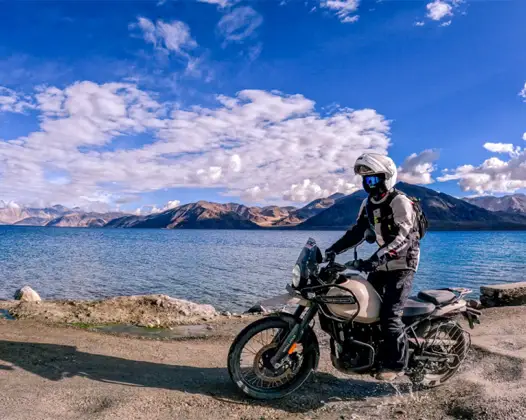
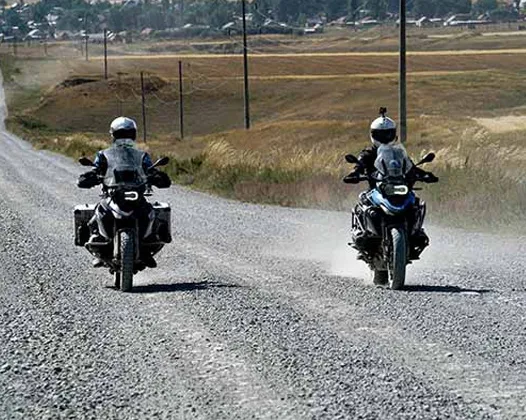
Motorcycling in Tibet is a unique and comfortable way to experience this vast spiritual land. Unlike traditional biking tours, it is less physically demanding yet allows you to cover greater distances with ease. Ride to the awe-inspiring Everest Base Camp and stand before the world’s highest peak.
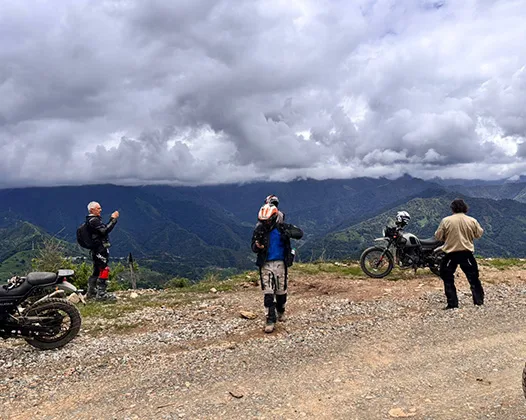
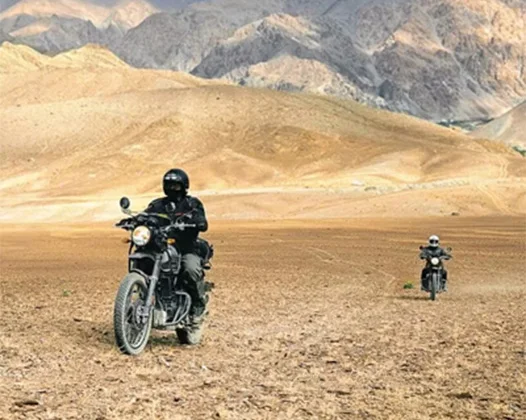
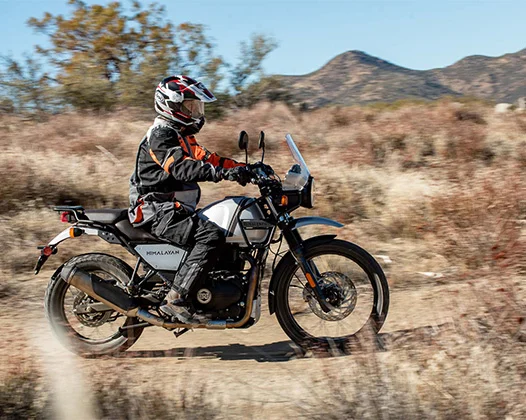
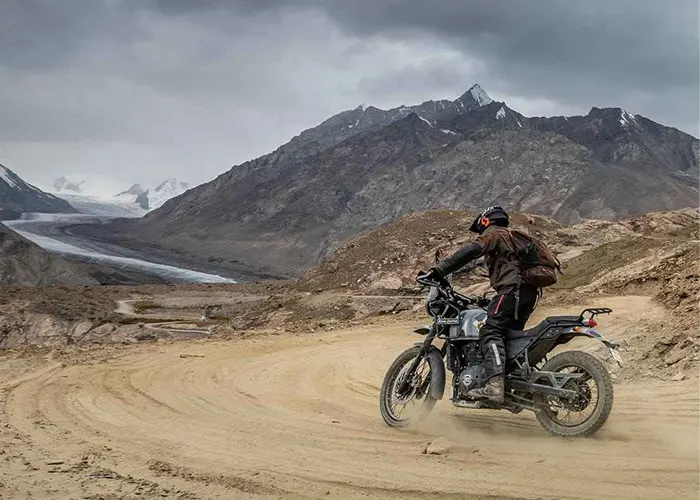
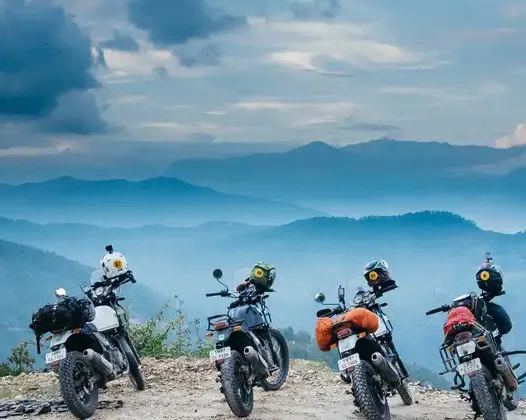
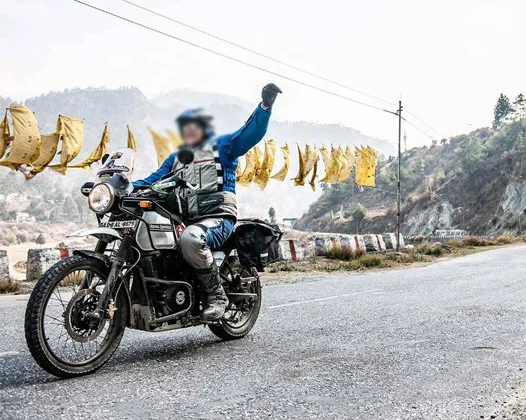
Experience the freedom and exhilaration of riding your motorcycle across vast Himalayan highways and high mountain passes on the legendary Roof of the World. The Motorcycle Tour from Nepal to Tibet is among the most thrilling overland journeys on the planet.
This trans Himalayan motorcycle trip in the vibrant city of Kathmandu and leads you over towering passes and endless winding roads to Lhasa, the spiritual heart of Tibet. Along the way, you will cruise through dramatic valleys, past shimmering turquoise lakes, and beneath snow-covered giants soaring above 8,000 meters. The highlight of the journey is the unforgettable ride to the Tibet Everest Base Camp where the world’s highest peak stands before you in all its majesty.
Highlights:
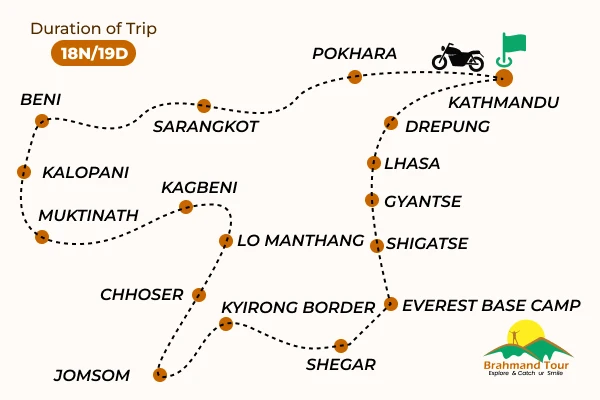
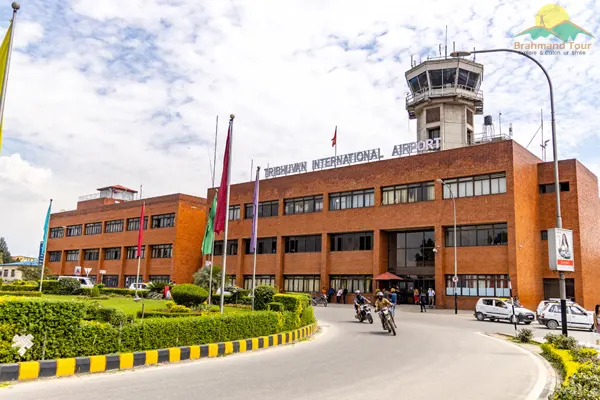
Upon arrival at Kathmandu’s international airport, our team will welcome you and transfer you to your hotel. After settling down in hotel, our team will brief you trip plan for neat day adventure.
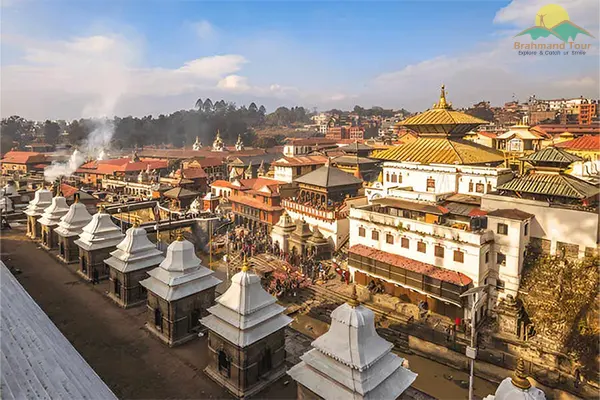
Today, enjoy a guided sightseeing tour of Kathmandu’s cultural highlights (optional) such as Durbar Square, Swayambhunath, or Pashupatinath Temple. Afterwards, meet your ride leader and complete final preparations for your motorbike journey.
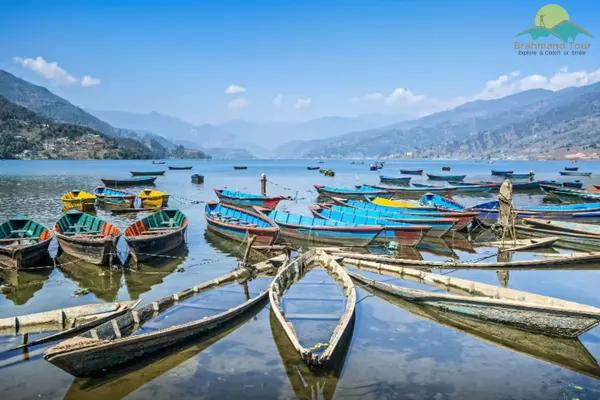
Begin your ride along the scenic Prithvi Highway, following the Trishuli River through rolling hills and villages. Arrive in Pokhara by late afternoon and relax at the vibrant Lakeside area. Pokhara is Nepal’s adventure hub and a point to see mighty Annapurna from Fewa Lake.
At sunrise, ride up to Sarangkot for spectacular views of Dhaulagiri, Annapurna & Machhapuchhre.
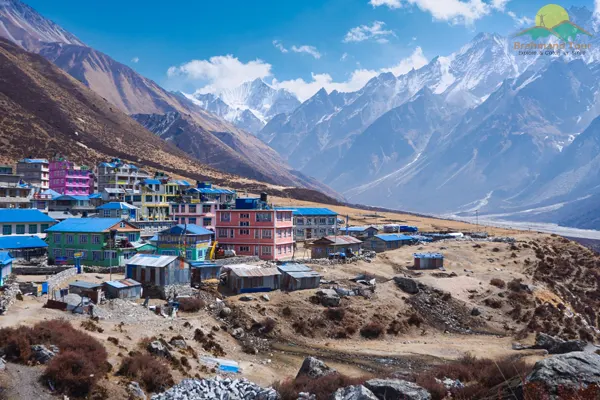
You will observe a change in terrain from smooth roads slowly shift to dusty, rocky tracks as you enter the Kali Gandaki valley. You pass Beni and continue to Kalopani, nestled among snow-clad peaks and cool air. En route, stop at Rupche Waterfall before arriving at Kalopani for the night.
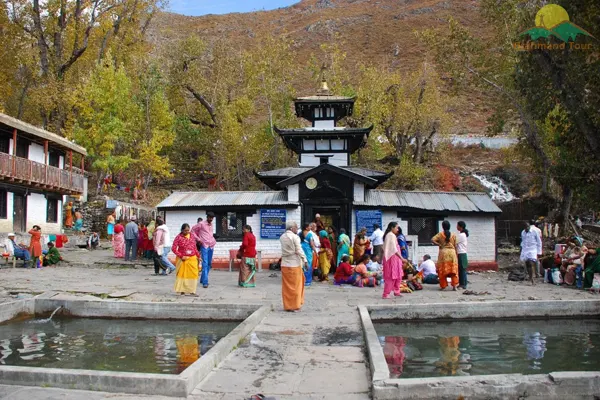
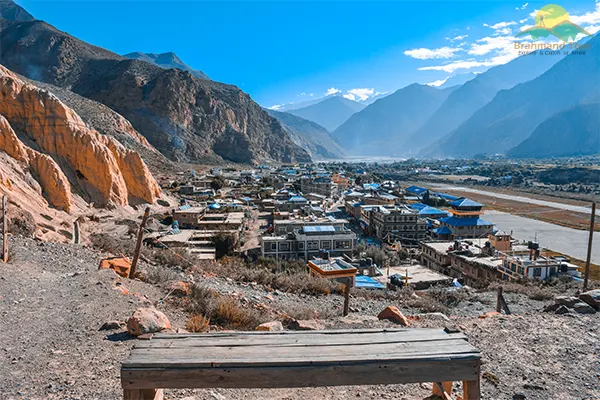
After breakfast, ride through Marpha, famous for its apple orchards and charming stone houses. Continue to Jomsom and ascend to the sacred Muktinath Temple, a revered site for Hindus and Buddhists. Visit the eternal flame at Jal Devi before returning to Kagbeni via Jharkot, where you can explore its ancient Tibetan monastery. Kagbeni is a medieval-style village guarding the gateway to Upper Mustang.
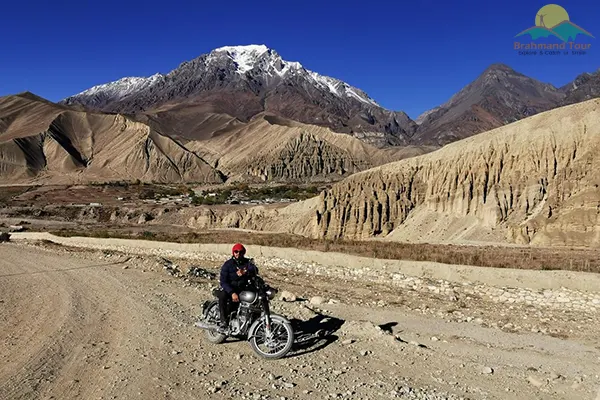
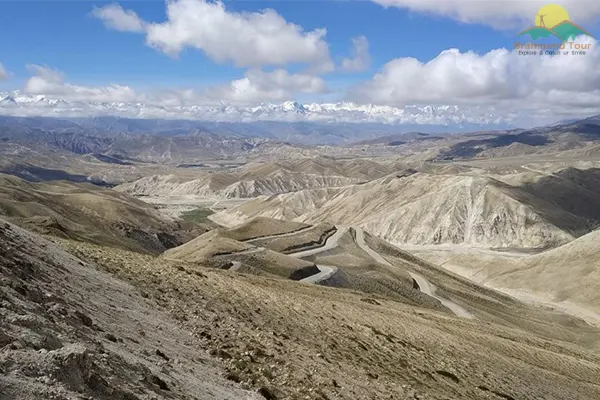
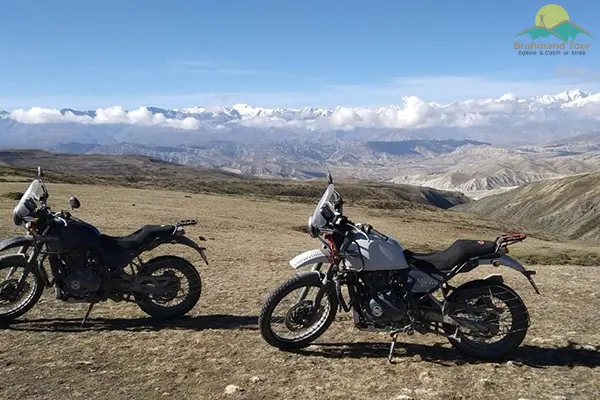
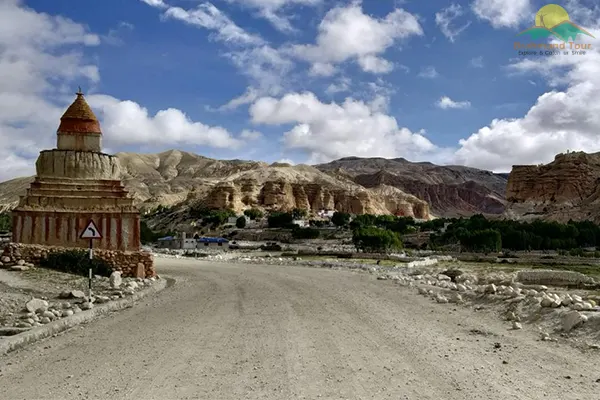
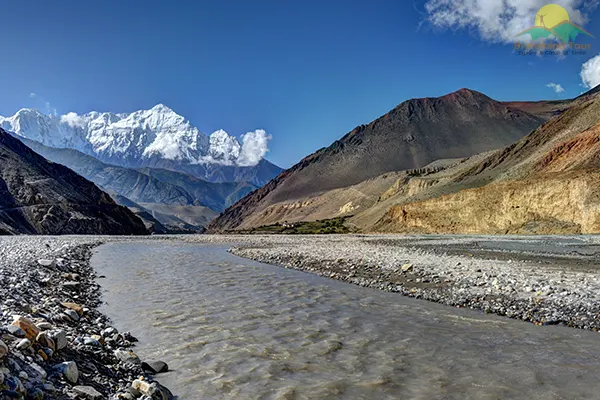
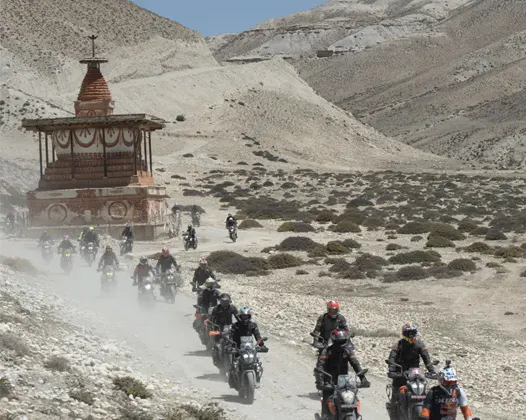
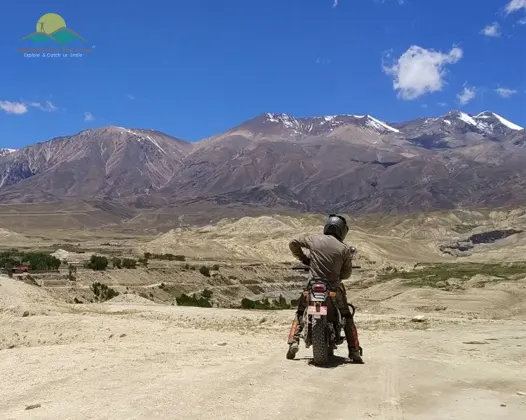
A ride to Lo-Manthang will need special permit as the restricted region of Upper Mustang begins here. After special permit checks, ride deeper into Upper Mustang. Dry cliffs, red canyons and ancient caves will make the road awesome and every turn will feel magical. Cross the Kali Gandaki River and pass through remote villages and high passes, including Chuksang, Samar, Syangboche, Ghiling, and Tsarang, before reaching the fabled walled city of Lo-Manthang. Take frequent pause to soak in the dramatic Himalayan desert landscapes.
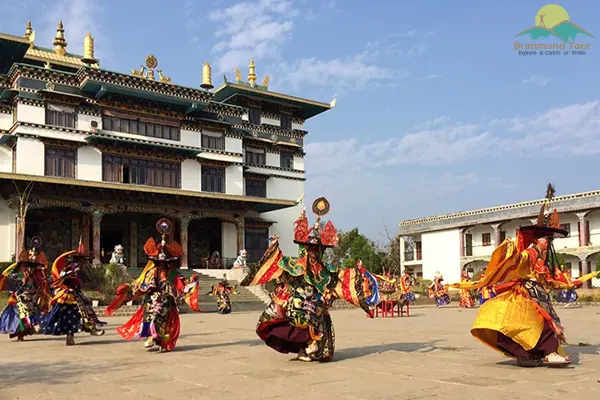
Today is all about soaking in culture of Nepal Upper Mustang region. Spend the morning exploring Lo-Manthang’s cultural treasures: Thupchen Monastery, Chode Gompa, Jampa Monastery, and the Buddhist Museum. After lunch, ride to Chhoser- home to ancient cave monasteries carved into cliff faces- a journey back in time. Here you will discover the 3,000-year-old Shija Jhong caves, once used for meditation and settlement. Visit cliffside monasteries and learn about the region’s unique traditions, including the ancient practice of sky burial. Return to Lo-Manthang for overnight stay.
Begin the return journey along rugged tracks, riding past canyons and windy valleys.Reach Jomsom- Mustang’s main hub- famous for its winds, apples, and mountain energy. A great place to relax after the wild trails.
Ride back along the Kali Gandaki corridor to Beni, then continue through lush hillsides and valleys until you reach Pokhara. Evening at leisure by Phewa Lake. Enjoy a hot shower, a chilled drink, and lakeside vibes waiting for you. From here, the trip will continue towards Tibet Lhasa and Everest Base Camp.
Drive through scenic hills, rivers, and Langtang National Park to the Nepal–Tibet border. After immigration, enter Tibet and overnight at Kyirong.
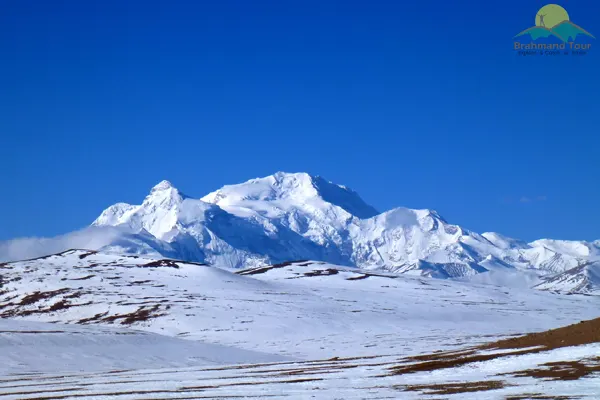
Travel across the Tibetan plateau via Gungthang La Pass (5,200 m) with sweeping Himalayan views. Stop at Peiku Tso Lake and, weather permitting, enjoy first views of Shishapangma and Mt. Everest. Arrive Shegar for overnight.
A rest day to adjust according to high-altitude and prepare for the adventure ahead.
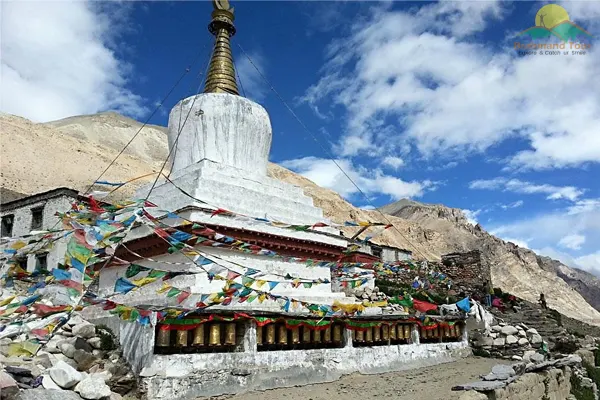
Cross Pangla Pass (5,000 m) for spectacular views of Everest, Lhotse, Makalu, Cho Oyu, and Shishapangma. Visit Rongbuk Monastery (world’s highest monastery) and continue to Everest Base Camp (5,200 m). Return to Shegar.
Drive to Shigatse, Tibet’s second-largest city. Visit the grand Tashi Lhunpo Monastery, seat of the Panchen Lama. Continue to Gyantse for overnight.
Morning visit to Palchoe Monastery and Kubum Stupa. On the way to Lhasa, stop at Karola Glacier (5,045 m) and the turquoise Yamdrok Lake (4,441 m). Arrive in Lhasa late afternoon.
Explore the Potala Palace, former residence of the Dalai Lama. Visit Tibet’s holiest site, the Jokhang Temple, then walk around Barkhor Bazaar, full of pilgrims and traditional markets.
Morning visit to Drepung Monastery, once the largest in the world. Afternoon at Sera Monastery, where monks hold animated debates on Buddhist philosophy.
Transfer to Lhasa Gongkar Airport for onward flight. Stay overnight at Gongkar Airport.
On last day of this itinerary, you can extend your trip to Chitwan National Park for wildlife safari or take return flight from Kathmandu Airport.
Leave the mountains behind and drive to Chitwan National Park (415 m), a UNESCO World Heritage site. In the evening, experience Tharu cultural performances and traditions.
Enjoy a full day of jungle activities such as a jeep safari or canoe ride, spotting rhinos, crocodiles, and exotic birdlife. Take late afternoon flight back to Kathmandu. Overnight at Kathmandu hotel.
Our representative will transfer to Airport for you next destination.
Additional Cost: 06 Paying (room on twin sharing basis): $540 Per person
Single room supplement: US$ 130 Per Person
To ride a motorbike in Tibet, you must obtain a Tibet Travel Permit (TTP), which cannot be applied for individually. We offer this permit free of charge when you book your Tibet motorcycle tour through us. If you are travelling solo or alone, you must book your tour through an authorized Tibetan travel agency as they arrange the permit using your passport and Chinese visa. Applications should be made at least 20–30 days in advance, especially during peak travel seasons.
The best time for a Tibet motorcycle trip is April to October, when the weather is mild and roads are generally open. From April to June, the skies are clear with excellent mountain views, making it ideal for visiting high passes and Everest Base Camp. July and August are warmer but may bring occasional monsoon showers. September and October offer crisp air, stable weather, and outstanding visibility. Winter months (Nov–Feb) are extremely cold, especially at high altitudes, and many remote roads may close, making winter biking unsuitable. For comfortable riding, stable temperatures, and great scenery, spring and autumn are ideal.
Yes. When motorbiking in Tibet, always follow local laws, respect religious customs, and follow your guide. Keep your travel permits handy at checkpoints, ride carefully on high-altitude passes, and dress warmly as temperatures drop quickly. Avoid speeding, overtaking on blind curves, or off-roading near restricted or sacred sites. Never photograph military facilities or sensitive borders. Respect monasteries and seek permission before photographing monks or rituals. Avoid discussing politics. Stay hydrated and ride slowly to prevent altitude sickness. Most importantly, maintain proper insurance, keep your bike in good condition, and follow environmental practices to protect this sacred land.