Duration 12N/13D
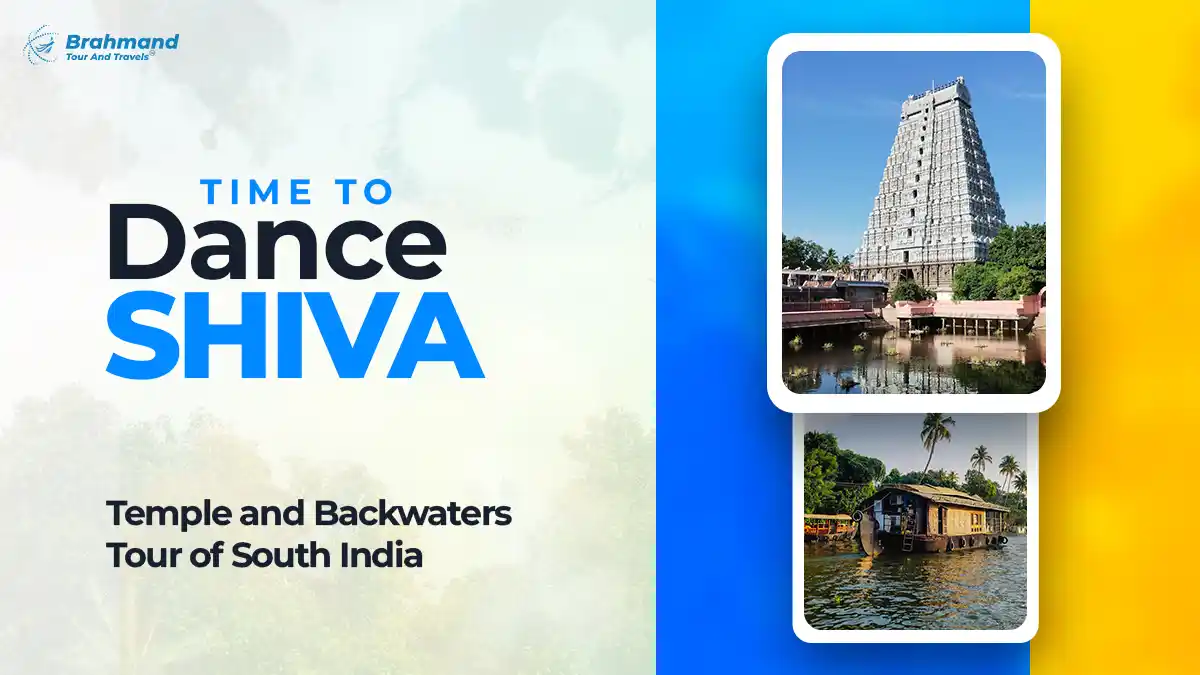
The Dance of Shiva is a 15 day guided cultural tour of South India beginning in Chennai and ending in Kerala, built around South India's greatest Dravidian temples including the Nataraja Temple at Chidambaram, the Brihadeeswarar Temple at Thanjavur, and the Meenakshi Temple at Madurai before winding down through Periyar's wildlife reserve, a traditional houseboat cruise, and a relaxed finish on Marari Beach. It's designed for travellers who want South India's temple heritage and its natural landscapes in a single, well-paced trip.
The tour takes its name from Nataraja, the form of the Hindu god Shiva as the Cosmic Dancer- a symbol of creation, destruction, and the eternal rhythm of the universe, most famously represented at the Chidambaram Temple in Tamil Nadu. This itinerary follows the historic route of Tamil Nadu's great temple towns before crossing into Kerala for backwaters, wildlife, and beach time giving travellers a single trip that spans two distinct cultural and geographic worlds. It covers a visit to the most famous tourist places of South India.
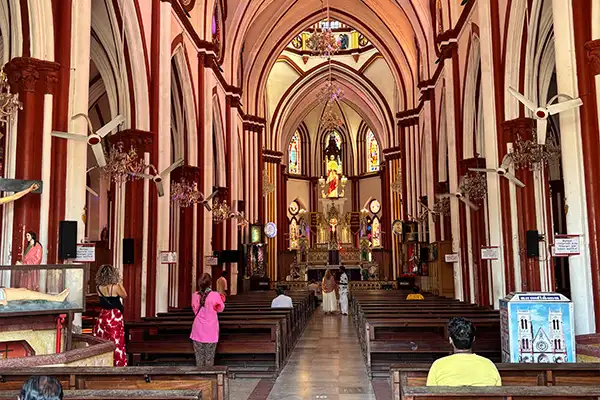
Time permitting, explore the city — the National Art Gallery, the Government Museum, San Thome Cathedral, Mylapore Temple, and the Church of St. Mary.
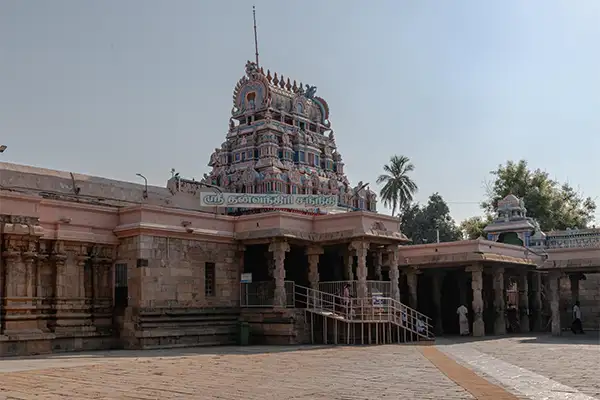
Visit Kanchipuram, known as the "city of a thousand temples," and Mahabalipuram, home to UNESCO World Heritage monolithic rock temples set dramatically along the shoreline.
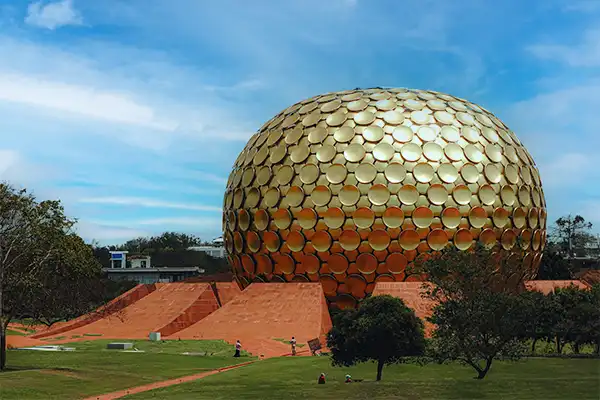
Travel to Puducherry (Pondicherry) to visit the Sri Aurobindo Ashram and Auroville, an experimental international community designed around principles of harmonious urban living.
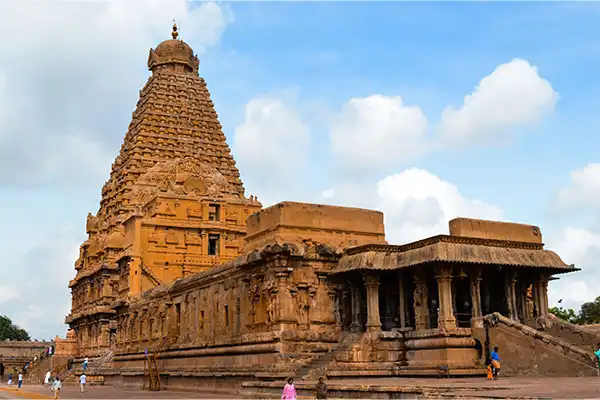
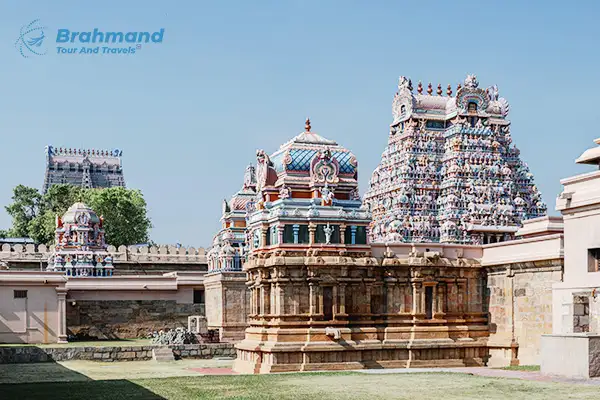
Visit Chidambaram, the temple town dedicated to Nataraja — Shiva as the Cosmic Dancer — and Srirangam, one of the largest temple complexes in India, before continuing to Thanjavur.
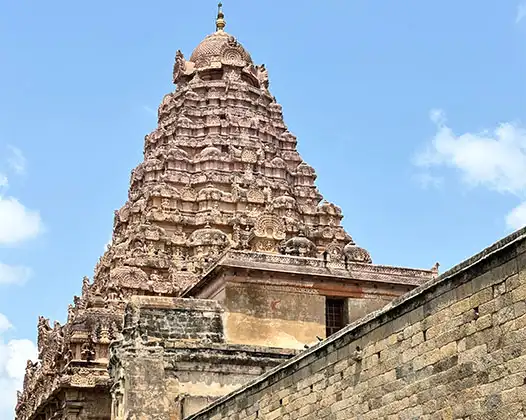
Explore Thanjavur's temples from the height of the Chola dynasty, including the Brihadeeswarar Temple, widely considered the finest example of Dravidian temple architecture, and the Saraswathi Mahal Library, home to some 30,000 manuscripts. Continue to Trichy ("the village of the sacred mountain").
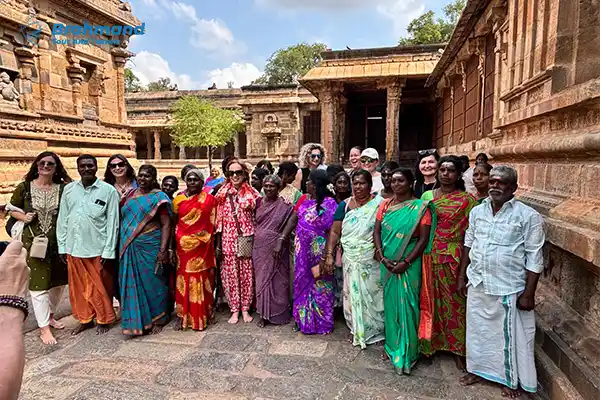
Visit the Rock Fort Temple, reached by a steep climb of over 400 steps, rewarded with sweeping views from the top. Continue to Madurai in time to witness the evening "pooja" ceremony at the Meenakshi Temple, accompanied by sacred music and a procession of deities.
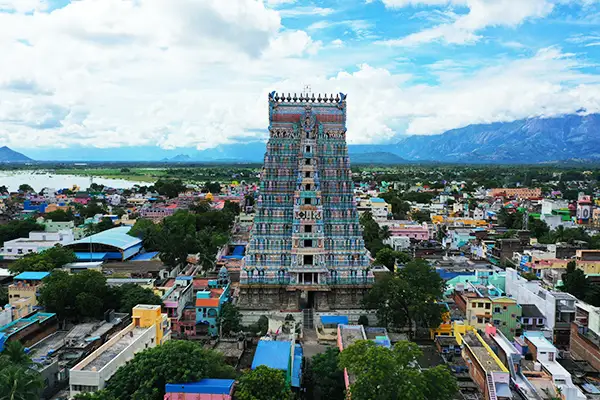
A full day at the Meenakshi Temple, dedicated to the goddess Parvati, Lord Shiva's consort — a living, constantly active temple where sacred ritual and daily life intertwine. Visit the Thirumalai Nayakkar Palace, with the afternoon free.
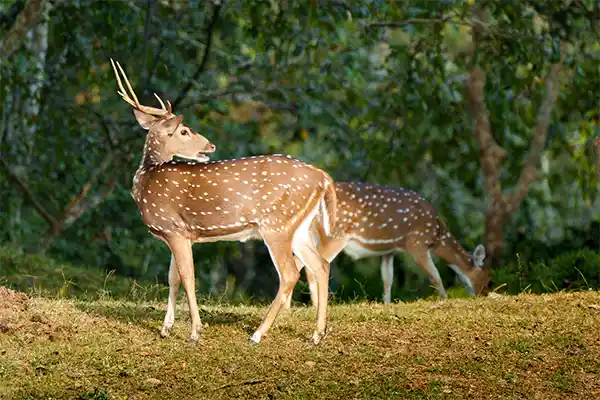
Travel to Periyar, home to a 775-square-kilometre wildlife reserve around an artificial lake. Spend the afternoon on a park excursion in search of monkeys, elephants, bison, deer, turtles, and birdlife.
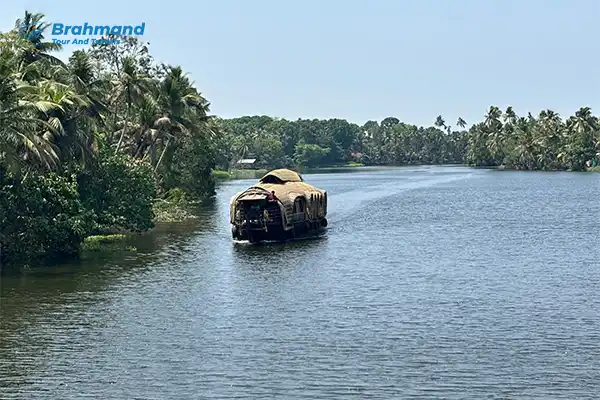
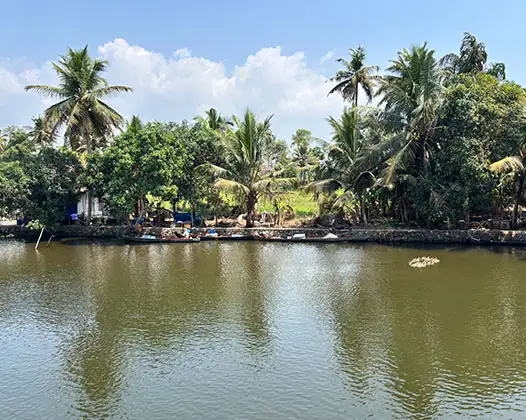
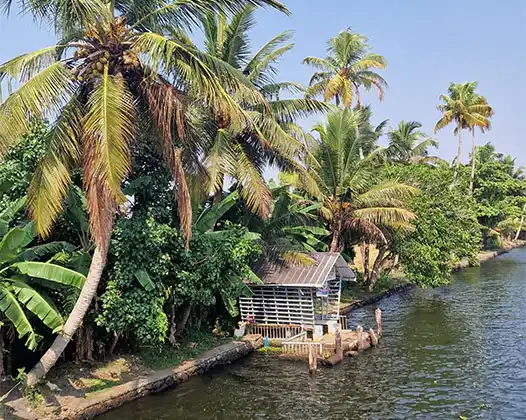
Explore Periyar's lake once more, then visit a working spice plantation before continuing to Kumarakom. In the afternoon, cruise the tranquil backwaters by boat.
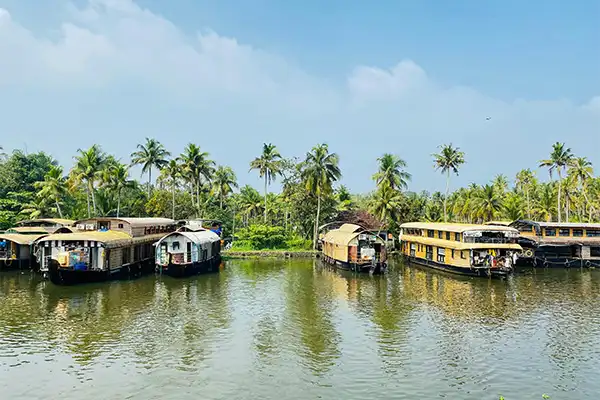
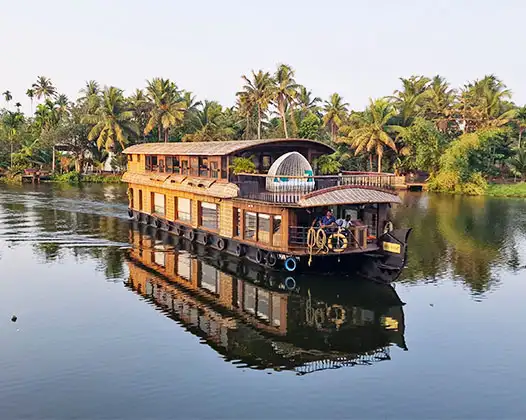
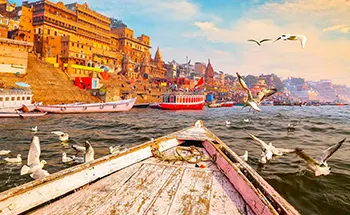
Board a traditional houseboat and cruise to Alleppey, taking in the slow rhythm of backwater life. Meals and overnight stay are aboard the boat.
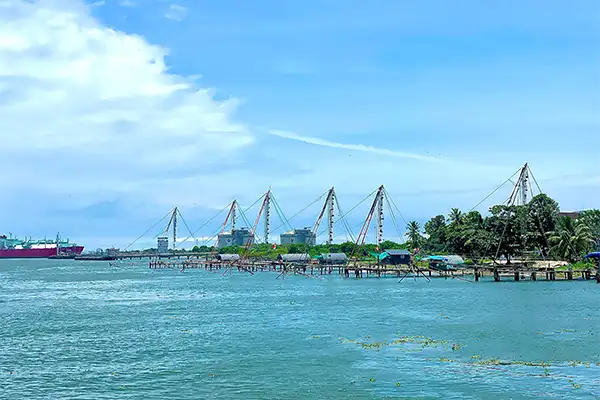
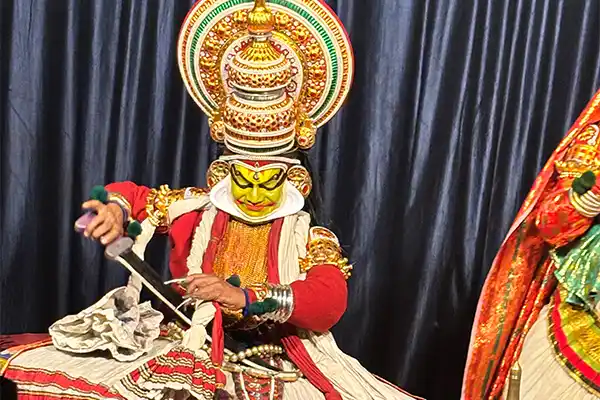
Return by boat to Alleppey, then transfer overland to Kochi to visit its historic landmarks — the old synagogue, the Dutch Palace, and St. Francis Church. In the evening, watch a live Kathakali dance performance.
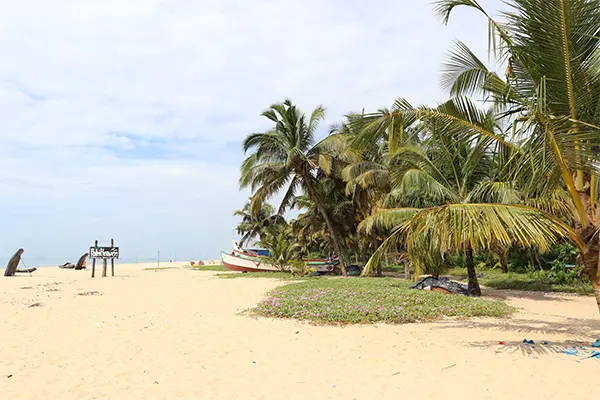
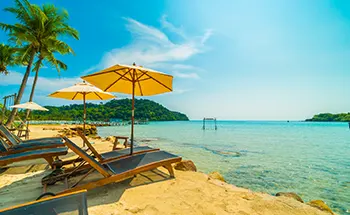
Transfer to Marari Beach Resort — a long stretch of golden sand backed by palm trees, with the option of yoga sessions or traditional Ayurvedic treatments.
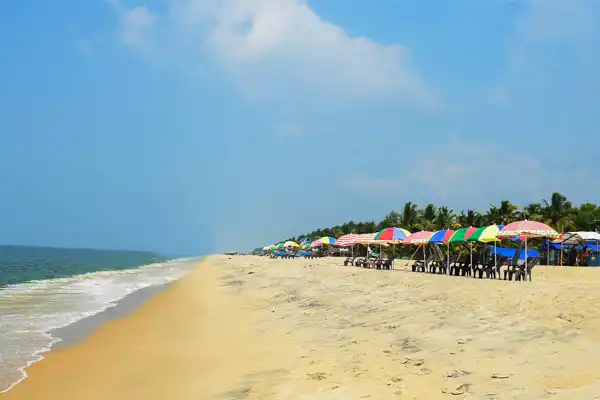
Two full days at leisure on Marari Beach.

Transfer to Kochi airport for your onward flight.
Seven curated routes- from a 7-day Kerala escape to a two-week grand tour. Each one private, guided and fully customisable to your dates.
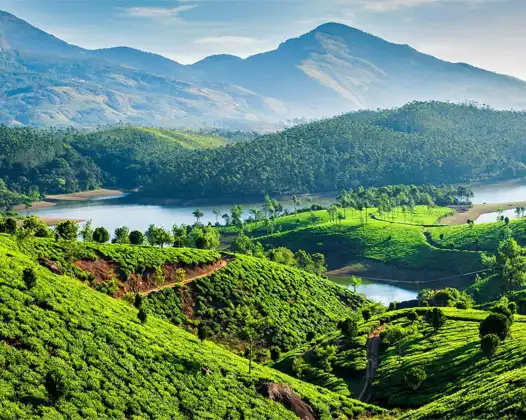


This is a multi-state cultural and pilgrimage-inspired heritage tour, not an adventure or beach-only holiday. It's built primarily around Hindu temple architecture and living religious tradition in Tamil Nadu, transitioning into Kerala's natural landscapes- wildlife reserves, backwaters, and coastline for its second half. Private vehicle transport and an English-speaking guide run throughout.
This itinerary is deliberately structured in two distinct halves. The first week is dense with temple visits, historical context, and structured sightseeing across Tamil Nadu. From Day 8 onward, the pace changes noticeably- Periyar's forests, Kumarakom's backwaters, an overnight houseboat cruise, and finally two full days at leisure on Marari Beach.
You can Browse the full range of South India Tour Packages to find the best package suitable to your taste and preferences.
This shift is intentional. Rather than ending on a monument, the tour closes with rest and natural beauty, giving travellers time to absorb what they've seen before departure. It's a structure that consistently works well for travellers who want cultural depth without the trip feeling like a non-stop sightseeing marathon.
Prefer to explore South India by motorcycle instead? See the South India Spice Trail Motorcycle Tour
Nataraja is a form of the Hindu god Shiva depicted as the Cosmic Dancer, representing the eternal cycle of creation and destruction. The tour is named after this concept because it visits the Chidambaram Temple, one of the few temples in India specifically dedicated to Shiva in this form- a highlight for travellers interested in Hindu iconography and philosophy.
While the first half is temple- and heritage-focused, the second half shifts into Kerala's natural landscapes- wildlife, backwaters, and two full days at leisure on Marari Beach. The itinerary is deliberately structured to move from cultural immersion into relaxation by its final days.
Yes. Modest dress is expected at all active temples- shoulders and knees covered, and footwear is typically removed before entering. Some temples restrict entry to certain inner sanctums for non-Hindus; your guide will advise on specific rules at each site.
Both are multi-day cultural tours, but this itinerary is more temple- and heritage-focused, spending its first week almost entirely in Tamil Nadu's classical temple towns before moving into Kerala. The Essence of South India Tour instead spends more time across Kerala and Karnataka, including a rural homestay and Mysore's royal heritage. Travellers most drawn to temple architecture and Hindu mythology tend to prefer this tour.
A houseboat, or kettuvallam, is a traditional Kerala vessel converted for tourism, with private cabins, dining space, and often air conditioning. The overnight cruise on Day 10 is widely considered one of the most memorable experiences on this itinerary- a slow, scenic way to see backwater life that isn't accessible by road.
Most of the tour is comfortable and leisurely, with private vehicle transport throughout. The one exception is the Rock Fort Temple in Trichy, reached by a climb of over 400 steps- manageable for most fitness levels but worth knowing about in advance if mobility is a concern.
October to March offers the most comfortable conditions across both Tamil Nadu and Kerala, with warm days and minimal rainfall- ideal for temple visits, wildlife excursions, and beach time alike.
A gopuram is the tall, elaborately sculpted gateway tower found at the entrance of South Indian temples, often covered in painted figures of gods, mythological scenes, and guardian deities. This distinctive style is part of the Dravidian architectural tradition, which developed separately from North India's temple styles over many centuries. Seeing the gopurams at Kanchipuram, Chidambaram, and Madurai up close is one of the visual highlights of this tour.
Walking is generally moderate- temple complexes involve walking on stone floors (often barefoot, as footwear is removed before entry) and some have multiple courtyards to explore. The most demanding single stretch is the 400-plus-step climb to the Rock Fort Temple in Trichy on Day 6; the rest of the itinerary is comfortably paced.
Visa, flights, pricing in your currency, insurance and what to pack, written for riders and travellers from your country.
All information for international travellers · Safety & support on tour · Planning guides: cost, safety, routes, bikes, timing