
We value your privacy
We use cookies to enhance your browsing experience, serve personalized ads or content, and analyze our traffic. By clicking "Accept All", you consent to our use of cookies.
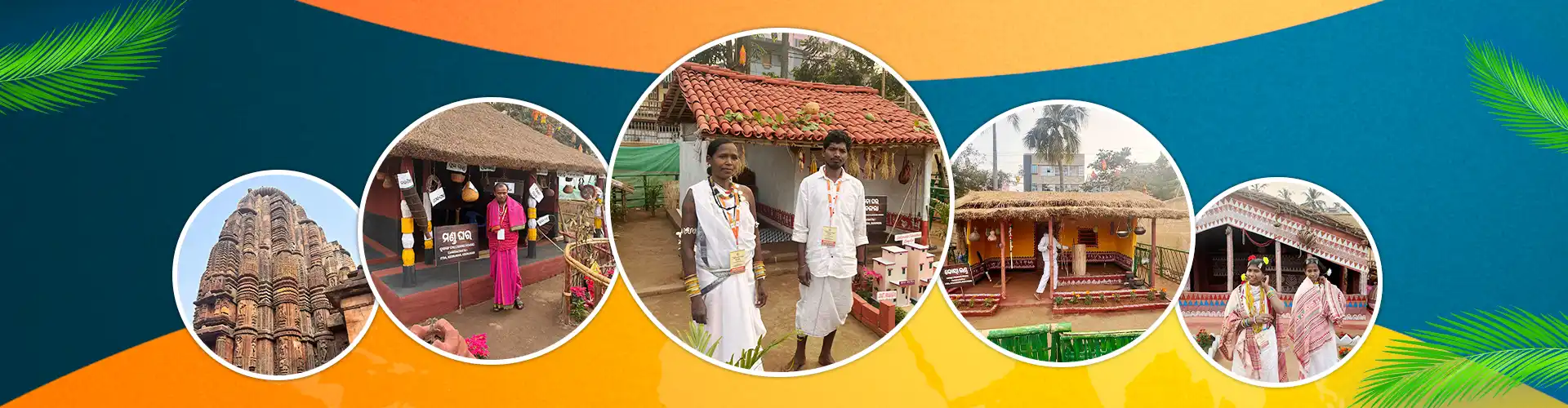
If you wish to explore the amazing and ancient Culture of India, Odisha can be your best destination to plan a trip in India. It is a hidden gem of India dotted with UNESCO World Heritage sites, ancient temples, serene beaches, vibrant tribal traditions, and wildlife.
This state is a home to several beautiful cities and towns like Bhubneshwar "Temple City of India", Konark, Puri, Chilika Lake that highlight the rich heritage and nature's bounty along with wildlife sanctuaries, long-stretched coastlines, rich flora, and fauna.
This 12 Nights and 13 Days itinerary of Odisha Tour will take you to relish the wonders of Orissa and offer a mix of heritage, spirituality, and scenic charm. Major destinations included in the itinerary are Puri, Bhubaneswar, Rayagada, Gopalpur, Visakhapatnam. You can have amazing experiences on Odisha trip in India as our tour package immerses you in soul-stirring things such as watching sunrise, architectural wonders, living in tribal villages, spotting wild dolphins and take part in rituals at grand temples.
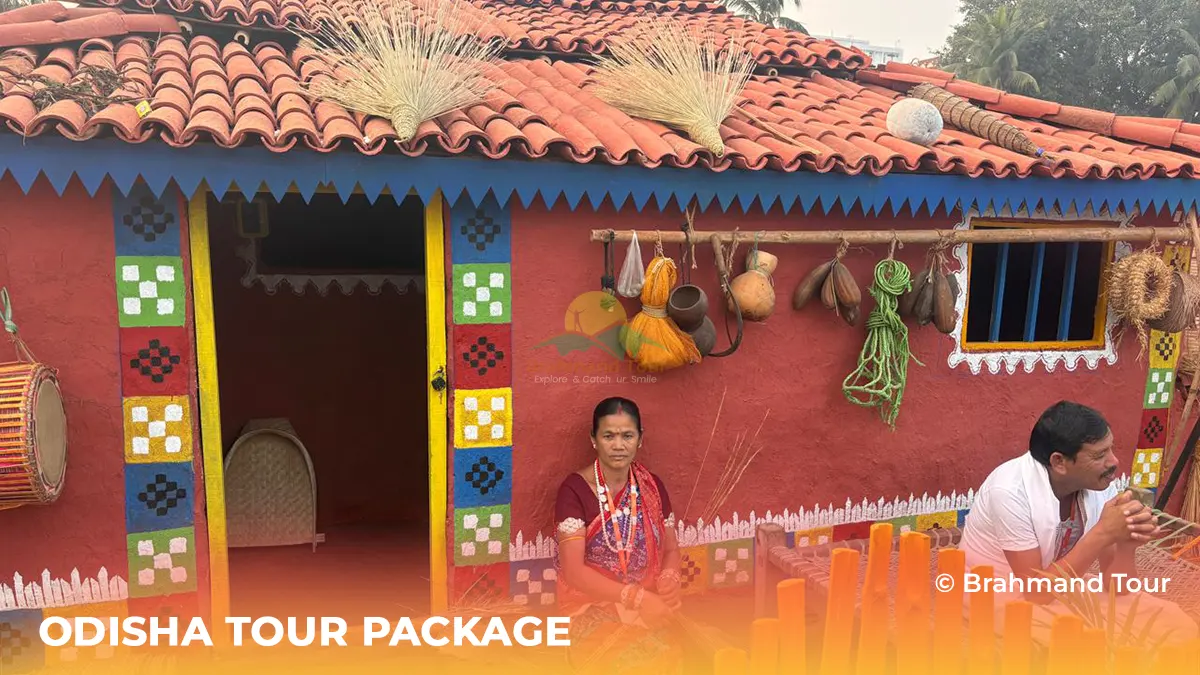
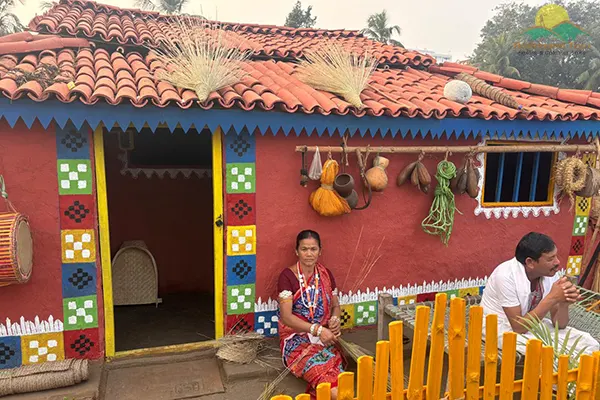
Odisha takes pride in the ethnic mosaic brought by the 62 culturally vibrant tribes, including 13 primitive tribal groups, found scattered throughout the state. Across the Eastern Ghats lies the hinterland of Orissa, the home of ancient tribes: the Didayi and Bondas of Koraput, the Kondhs of Kandhmal (formerly called Phulbani).
Here beats the primordial heart of Orissa. The tribal peoples display a rainbow of oriental culture and cultural trappings, which are kept on fine display in an ethnic kaleidoscope. The original inhabitants of Orissa are believed to have been primitive tribes such as the Saoro and Juang, groups that lived in the forested interior. Here, in the dense jungle, every ambiguous essence is symbolized and transformed into ritual objects. Discover it the same way the primitive tribes of Orissa passed it on: through art, dance, myths, music, and the land itself on Odisha tribal tour. Participate in local festivals, dance and meet with tribal families to learn culture.

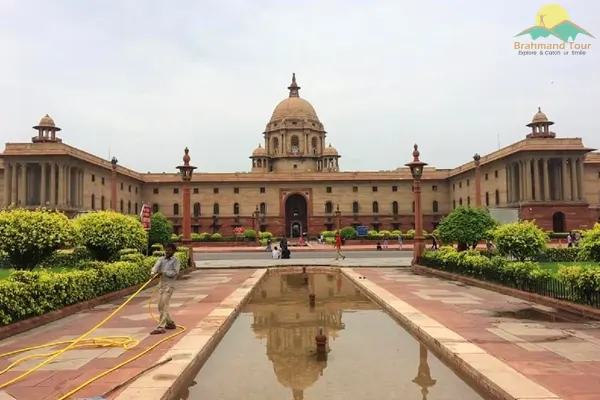
Upon arrival at Delhi airport meet and greet, then transfer to hotel.
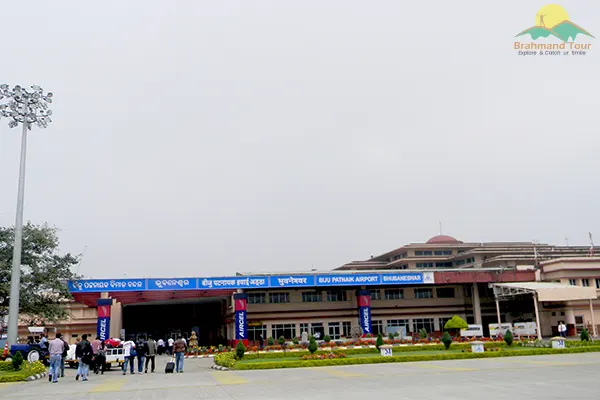
After check-out from hotel, transfer to Delhi airport to board flight to Bhubaneswar - the temple city of India. Meet and greet upon arrival at Biju Patnaik International Airport and transfer to hotel.
Hotel check-in / check-out at 14:00 hrs / 12:00 hrs.
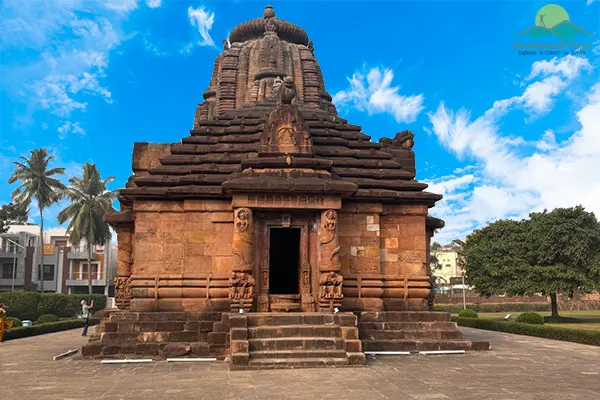
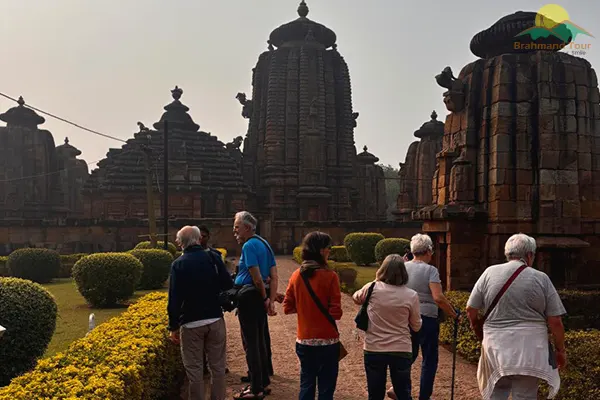
Home to Tribhubaneswar or "Lord Lingaraj," Bhubaneswar is an important Hindu pilgrimage center. Hundreds of temples dot the landscape of the Old City, which once boasted more than 2,000 temples. It is the temple city of Bhubaneswar that draws the most attention, dotted as it is with temples-big, small, ancient and clustered. Next we proceed to explore the ancient temples of Bhubaneswar.
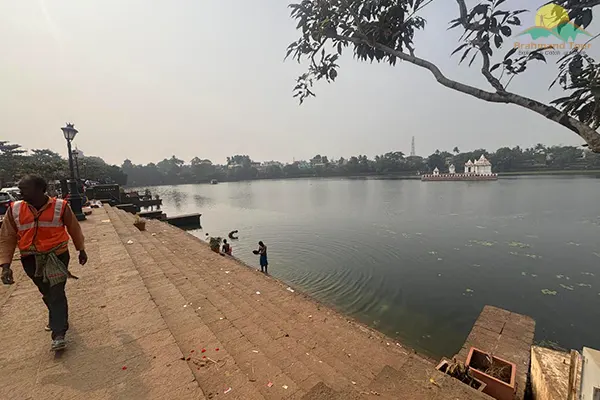
Among the 600 most beautiful temples is the Lingaraj Temple of Shiva, built in the 11th century and the largest in Bhubaneswar. The temple is dedicated to Lord Shiva, also known as "Lingaraj." It is adorned with beautiful sculptures carved on the spire. Bindusagar Lake, located north of Lingaraja Temple, is one of the most popular tourist attractions in Bhubaneswar. Lingaraj Temple (Non-Hindus are not allowed inside the temple. It must be viewed from a platform outside). Parashurameswar Temple, built in 650 AD, is one of the oldest temples in Bhubaneswar. The temple is richly carved with pairs of lovers, animals and floral designs. It has a small but richly decorated shrine to Lord Shiva.
Mukteshwar Temple is one of the most important temples in Bhubaneswar and was built in a style very similar to that used by the Kalinga school of temple architecture. Mukteshwar Temple, dating from the 10th-11th centuries, is one of the most important temples in Bhubaneswar. The temple, about 34 feet high, stands gracefully with an elegant torana (arch) at the front. Overall, the decorative designs present a magnificent work of visual art.
Overnight stay at a hotel in Bhubaneswar.
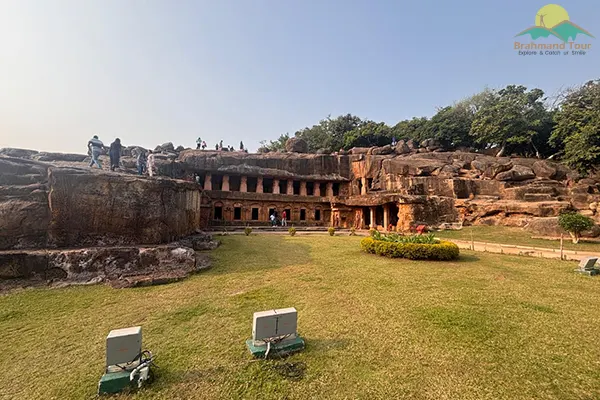
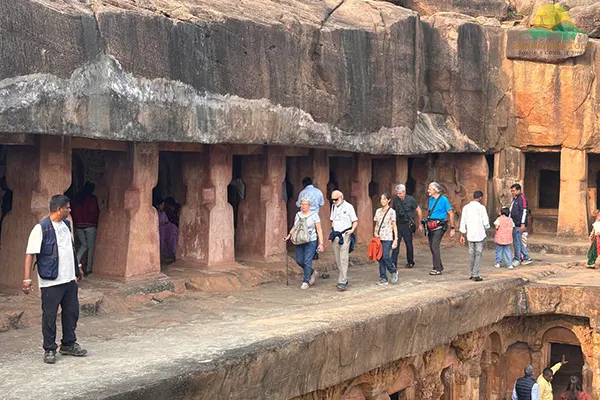
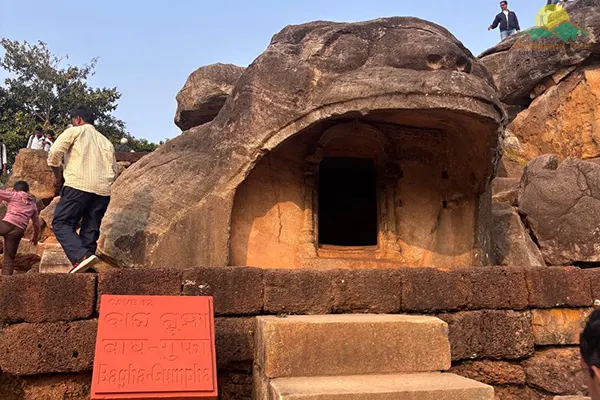
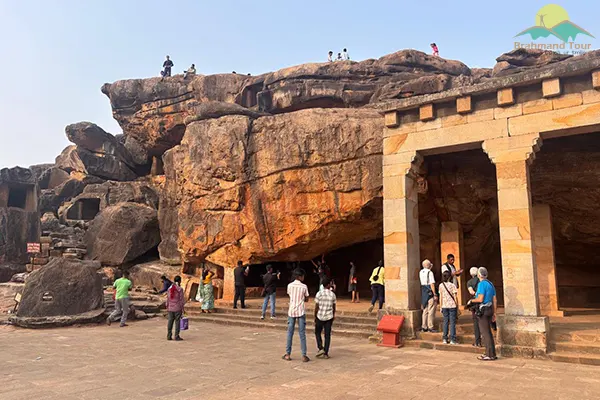
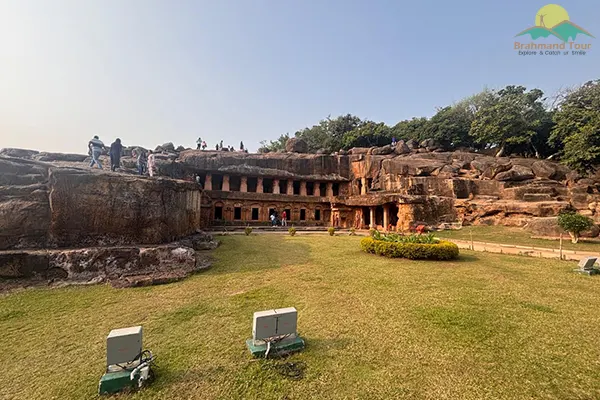
After breakfast proceed to visit the Jain caves of Khandagiri-Udayagiri.
Visit the ancient Khandagiri and Udaygiri caves, which were excavated and tunneled to create this ancient multi-story residence for Jain monks. They were the work of the earliest known Odishan ruler, King Kharavela, and were probably begun in the first century BCE. Kharavela was a king of the Mahameghavahana dynasty, known for expanding the Kalinga empire and installing public improvements such as canal systems. His queen was evidently a patron of the arts and probably had much to do with the impressive sculptural decoration of the caves. After visiting the caves, we proceed later in the day to visit the Tribal Museum.
Visit to the Tribal Museum
The Tribal Museum, located in Bhubaneswar's CRP Square, was founded in 1953. Today the museum is a major tourist attraction as it offers a glimpse into the life of tribals. On display are immaculate reproductions of tribal huts from various tribal communities and artifacts collected from different tribal groups in Odisha. On display is the lifestyle of a tribal in the region, including their clothing, traditions, ornaments and eating habits. The museum also displays replicas of tribal dwellings and artifacts. The museum displays items of anthropological interest and provides insight into the different stages of evolution of tribal cultures.
The Craft Museum is closed on Mondays and national and state holidays.
Visiting hours: 10 a.m.-5 p.m.
Note: Restriction to photography in the galleries.
Overnight stay in hotel - Bhubaneswar.
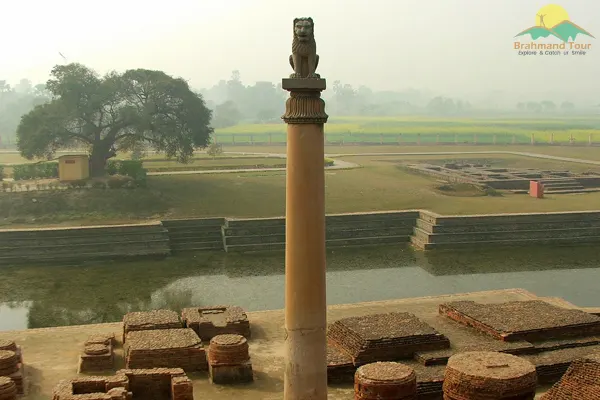
After breakfast, depart for Puri and visit Dhauli and Pipli applqiue center.
Dhauli- Ashoka (reigned c. 272-231 BCE) was the most illustrious king of the Maurya dynasty. After conquering the kingdom of Kalinga in present-day Odisha, stricken with remorse for the suffering he had caused, Ashoka converted to Buddhism and spent the rest of his life propagating his dharma (law). To achieve this goal, he had numerous edicts inscribed on rocks, pillars and caves throughout his vast empire. These edicts are written in various vernaculars and represent the oldest written record of the Indic regions. It is clear from these edicts that Ashoka was an extremely tolerant and benevolent monarch.
Near Dhauli, south of Bhubaneswar, is a rock on which Emperor Ashoka's edicts are engraved. The front of the rock is carved as the head, trunk and front legs of an elephant. The Shanti Stupa in the Dhauli Hills is a significant symbol of love and peace. The pilgrimage is significant because here King Ashoka resigned from violent wars. After witnessing the devastating spectacle of the earth filled with blood and the Daya River turning red because of the ruthless slaughter of some 1,50,000 warriors, King Ashoka was filled with pure sorrow and thus decided to completely renounce wars for the rest of his life. It was in Dhauli that Ashoka came to Buddhism and presented his sword to Lord Buddha.
Pipli - It is a center for appliqué work, which is the essence of Oriya culture. It is also known for colorful and original awnings, canopies, umbrellas for garden and beach umbrellas, bags and shoulder bags, etc. The cocktail effect of colors is definitely a feast for the eyes. Pipli, the appliqué capital of Odisha, announces itself with strong splashes of bright colors on store fronts. Pipli closes on the last Tuesday of every month.
Later in the day proceed to Puri and check in at the hotel. Most hotels in Puri check in/check out at 08:00-08:30.
Puri, a coastal gem nestled on the Bay of Bengal, weaves the threads of spirituality and serenity into a seamless tapestry. Home to the revered Jagannath Temple, this city located along the sparkling Bay of Bengal, Puri is a coastal paradise that beautifully combines spirituality, scenic splendour and cultural vibrancy. This special tour combines essence of pilgrim and village tour to offer best to visitors. At its heart is the revered Jagannath Temple, a timeless symbol of devotion and inclusion. Visit the Jagannath Temple in Puri, one of India's holiest pilgrimage sites. This 12th-century temple is dedicated to Lord Jagannath-"The Lord of the Universe." Wooden figures of the three deities, Jagannath, Balabhadra and Subhadra, stand in the shrine, adorned and decorated by the high priests.
Note: Non-Hindus cannot enter Jagannath's temple and must view it from outside, across the street.
Interact with local temple priests and immerse yourself in the religious fervour of this holy city. Enjoy the local market on the famous Grand Road.
Overnight hotel stay in Puri
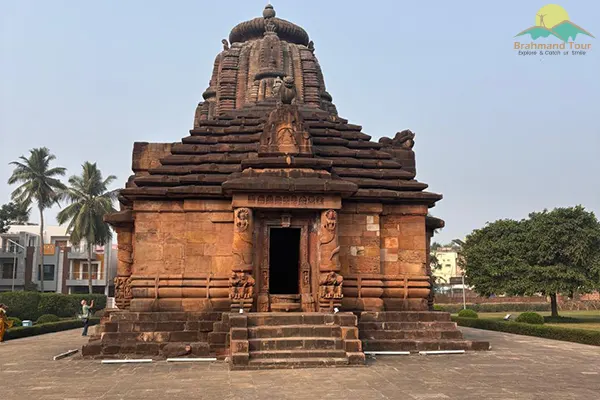
After breakfast proceed to visit the magnificent Konark Sun Temple, a UNESCO World Heritage Site.
Konark is the site of one of the most spectacular examples of religious architecture in the world. The Konark Sun Temple, conceived as a huge chariot pulling the Sun God across the heavens by the power of seven beautifully carved horses, raised on 24 chariot wheels-intricately sculpted-symbolizing the march of time, lies in solitary splendor surrounded by drifting sand three kilometers from the sea, but originally it is said to have been closer, so it was used as a navigation point by European sailors, who called it the "Black Pagoda." This 13th-century architectural marvel is one of the world's grandest monuments and a UNESCO World Heritage Site. Nobel laureate and poet Rabindranath Tagore said, "Here the language of stone surpasses that of man." It is true that the Konark experience is impossible to put into words. You also visit the local fishermen's village and interact with the local community.
After the visit, return to the hotel for lunch and then later proceed to visit the artisanal village of Raghurajpur, near Puri.
Raghurajpur Handicraft Village
The great attraction of Raghurajpur and nearby villages is that the entire village community is involved in the production of some kind of handicrafts. Many have even won national awards for their work. There are just over 100 families and 300 artisans in the village. The economic, social and cultural life of this village revolves around handicrafts, with at least one member of almost every family involved in the art. There is an informal division of labour in the family, and each member is engaged in doing something or other related to painting.
While the men and boys work on the paintings, the women are busy preparing the canvas, boiling rubber, or pulverizing pigments in the mortar.
You can walk around, look at the beautiful murals painted on houses, chat with the friendly artisans, and see them in action! Traditional Pattachitra cloth paintings are a specialty of the village, but artisans produce a wide variety of items, including palm leaf carvings, stone carvings, wood carvings, and wooden toys.
Interact with the Chitrakars as they display their craftsmanship.
Overnight stay at the Hotel-Puri
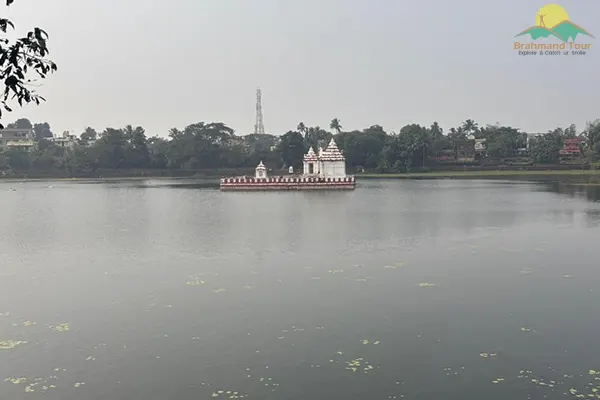
After breakfast, depart for Gopalpur-on-Sea and visit Chilika Lake and salt harvesting village.
A vast lake along the eastern coast of Odisha with beautiful islands, migratory birds splashing in the shallow waters, and the air resounding with the chirping of birds from the Caspian Sea, the Aral Sea and other parts of Mongolia, Central Asia and Southeast Asia-this is the breathtaking beauty of Chilika, the largest estuarine brackish water lake in Asia. Lake Chilika covers an area of 1100 square kilometers covering parts of three districts of Odisha: Puri in the east, Khurdha in the north and Ganjam in the south. It is a paradise for bird-watchers and nature lovers. Rich in unique flora and fauna, Chilika supports the livelihood of more than a hundred thousand families living in and around it.
Winter is the best time to visit Chilika, as over a hundred species of migratory birds flock to the islands at this time of year.
Manglajodi - Lake Chilika
The community-owned and operated Mangalajodi ecotourism is the ideal destination for a glimpse of Mother Nature. Mangalajodi is a village located on the northern shores of Lake Chilika in Odisha, "a bird paradise" that is home to more than 3,000,000 birds in its swampy waters, especially in winter. Mangalajodi also represents a unique ecosystem whose protection is exemplified by a sustainable lifestyle that is on the verge of extinction in urban settings. Enjoy a boat ride with an hour-long interaction with the local fishing community and a plantation at the conservation site.
Continue on to Gopalpur-On-Sea
Gopalpur is a sleepy hamlet that leaves no trace of its glorious past. The ruins of an ancient port speak of an era that earned Gopalpur a prominent place in Odisha's history. In Gopalpur you can forget about yourself and have a lovely, lazy vacation. This virgin beach, with coconut palms, casuarina groves and gentle sand dunes, is deserted for miles and is perfect for ultimate relaxation and to prepare you for the adventurous tribal trail ahead.
Overnight hotel stay - Gopalpur-On-Sea.
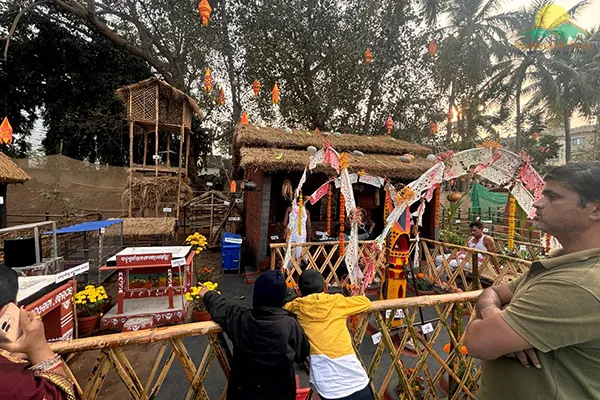
After breakfast we enter the Odisha tribal belt and visit Taptapani, the typical rural farming villages of Odisha, interacting with the inhabitants and exploring their unique way of life. One of the many wonders of nature, hot springs are generally believed to have healing properties.
Taptapani is a small hot spring that, according to local folklore, has existed for more than 300 years. Untainted by commercial tourist development, the place is graced by pristine valleys and dense rainforests teeming with wildlife. The place is endowed with natural riches and beautiful valleys. The whispering leaves, bright stars and cool breeze are simply charismatic. It is a beauty. It is a wonderful moment, a time when anything can happen, when you can believe.
Gradually we come to the small villages of the Saora tribes, which are also mentioned in the epic of Ramayana. The Saora are skilled in art, painting and handicrafts. They use trees, animals, tribal people and episodes from their daily lives as motifs for their paintings. They have a distinctive shamanic culture in which they believe in evil spirits and worship them in addition to numerous other deities. Visit the Saora-Puttasingh tribes, typical rural farming villages in Odisha, interact with the villagers and explore their unique way of life.
Continue driving to Rayagada.
Rayagada is a district of grasslands, forests, waterfalls and terraced valleys, densely inhabited by colorful ethnic and tribal groups. The scenic beauty and heritage of the area is an unexplored paradise. The systematic relationship between people and nature is a feast for an outsider's eyes. It is a district of many attractions, thrilling the eyes of the seeker with a charm all its own.
Gradually one comes across the small villages of the Saora tribes, also mentioned in the Ramayana epic. The Saora are skilled in art, painting and handicrafts. They use trees, animals, tribal people and episodes from their daily lives as motifs for their paintings. They have a distinctive shamanic culture in which they believe in evil spirits and worship them in addition to numerous other deities. Overnight stay in Hotel-Rayagada
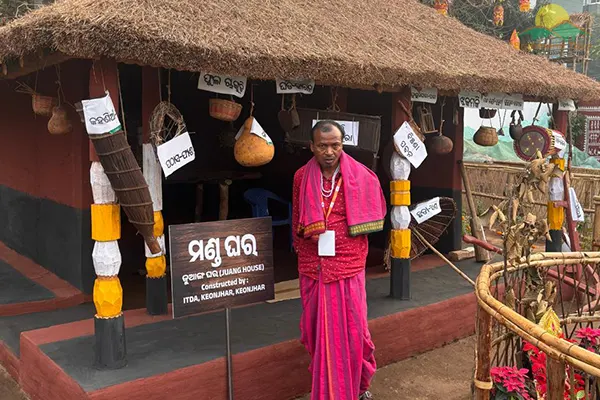
Must be a Tuesday. After breakfast proceed to visit the weekly market of the Kutia Kondh tribe and local adivasi villages.
Kondh Tribe - The Kondh are one of the best-known tribes in Odisha, famous in history for their Meriah, human sacrifices. They are found in almost every district of Orissa, but are concentrated mainly in Phulbani, Koraput and Ganjam districts. Kondh life is full of festivals. The most important festivals are the planting and harvest festivals. During the festivals, feasts are accompanied by singing, dancing and drinking. At planting time, the Kondh worship Dharani Deota and make animal sacrifices to ensure a good harvest. The village women sing and dance by joining hands, and the boys around also sing and the whole atmosphere becomes joyful. During the festival of Sarupenu they go to worship in the hills and enjoy the day with feasting and dancing. Their weapon is the bow and arrow with which they defend themselves from wild animals. Overnight stay at hotel in Rayagada
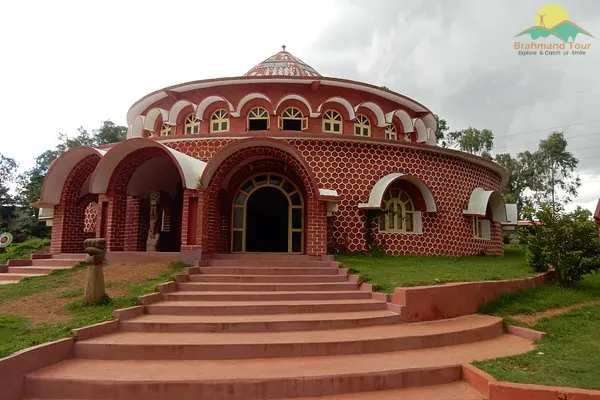
Breakfast at the hotel. Visit to the weekly Wednesday market of the Dongriya Kondhas in Chatikona.
Here the Dongariya Kondhas descend from their hilltop villages with forest produce to sell or barter with non-tribals. The Dongariya Kondha are one of the original tribal ethnic groups of Orissa that have preserved their culture and tradition to this day. The Dongria family is often nuclear, although extended families exist. Female family members are considered an asset for their contributions within and outside the family, and women are on equal footing with male members in house building and cultivation. Women take care of all household chores, from collecting water from distant streams, cooking, feeding each family member, cultivating, harvesting, and marketing products in the market.
For this reason, the bride price is paid to the parents when they marry, which is a surprising characteristic of the Dongrias.
We will also visit a local public school and interact with students and teachers. Overnight stay at a hotel in Semiliguda.
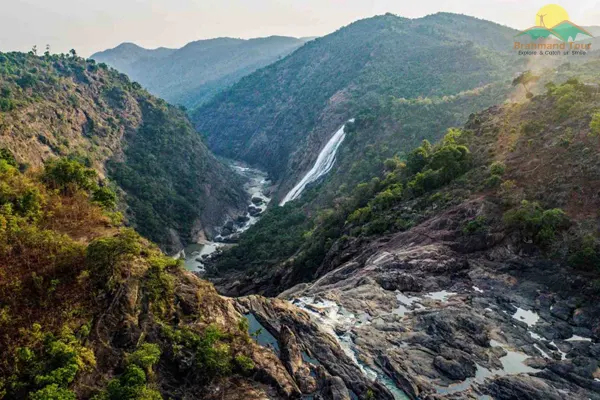
After breakfast, visit the weekly Thursday market of the Bondas in Onkudelli and spend some time at the nearby Duduma Waterfall, enjoying the spectacular view of the mountains and valleys in close contact with nature.
Nature has poured out its bounty on the undivided district of Koraput, rich in meadows, forests, waterfalls, terraced valleys and water springs. This land of plenty is home to the vast tribal population of Odisha. A true nature lover's paradise, Jeypore offers the visitor an added bonus: a direct encounter with its ancient civilization.
The tribals live on remote hills and keep themselves isolated. They cultivate rice by shifting cultivation and keep domesticated cows and goats. They can only be seen when they come to trade at the weekly Thursday market.
Bonda women are distinguished by beaded necklaces covering their upper bodies, flashy brass and silver necklaces, and shaved heads decorated with colourful beads. In Bonda society, women enjoy a privileged position. They are the main workers and providers of food for the community. Bonda girls mostly marry boys who are at least five to ten years younger than them. In this way the girl takes care of her husband as he grows older and he, in turn, takes care of his older wife. Unlike many other populations in India, the number of women among the Bonda far exceeds the number of men.
Visit another tribal ethnic group, the Gadabba. Both men and women bind their long hair with linseed oil and decorate it with forest flowers and various ornaments. Women wear a long strip of cloth tied around the waist, and a second piece of cloth is worn on the breast and tied over one shoulder.
Overnight hotel stay - Semiliguda
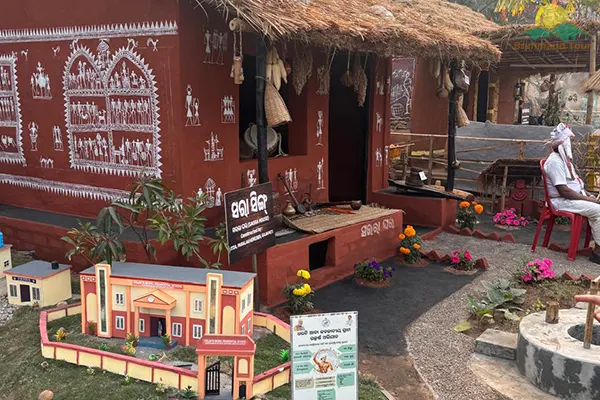
After breakfast visit another interesting Mali and Paraja tribe that gathers at the Kunduli market every Friday and the village of Nandaput.
The Paraja are divided into several subgroups-Sodia, Jadia, and Parenga; each one appears to be a separate ethnic group. The Paraja have a number of totem sects such as the Bagh-tigre, Bokda-goat, Netam-dog, Pandki-dove and the like, and it is forbidden to harm or eat the totem animal. Instead, these animals are to be respected. They also worship various gods and goddesses who reside in the hills or forests.
Next we visit Nandaput, the ancient capital of the Kingdom of Jeypore. The large image of Ganapati and the throne with 32 steps are the main attractions of this place. The place is of great historical importance as researchers have acquired materials related to its antiquity. Some claim that the village was named after the famous Nanda dynasty of Magadha, who supposedly ruled over this area. The presence of the Batrisa-Simhasana (throne with 32 steps) has led some to believe that it was once part of the empire of the great Vikramaditya.
Overnight hotel stay in Semiliguda.

After breakfast departure from Semiliguda and on to Vishakapatnam for flight to Delhi. Upon arrival transfer to hotel. Overnight stay in hotel in Delhi.
In time transfer to the airport to board the flight for onward destination.
| Package Cost | ||
|---|---|---|
| Details of Cost Structure (Valid: From October 2026 to March 2027) | Cost in US$ | |
| Room on Twin Sharing Basis | US$ 2980 PP | |
| Single Room Supplement | US$ 700 PP | |
| Destination | Nights | Hotel/Resort | Meal Plan |
|---|---|---|---|
| Delhi | 01 | Radisson Blu Dwarka | Half Board |
| Bhubaneswar | 02 | Hotel ITC Fortune Sishmo Park | Full Board |
| Puri | 02 | Hotel Hans Coco Palm | Full Board |
| Gopalpur o sea | 01 | Hotel Zone By Park | Full Board |
| Rayagda | 02 | Hotel Lotus Paradise | Full Board |
| Semiligudu | 03 | Hotel Imperial Inn | Full Board |
| Delhi | 01 | Radisson Blu Dwarka | Half Board |
Odisha is an Eastern state of India and bear hot climate in summer while moderate in winter. October to March are best months to visit Odisha for a pleasant sightseeing experience, visit to several temples, enjoying temples and visit various attractions.
Bhubaneswar is most beautiful and ancient city where you will find a mix of modern facilities and ancient structures. Key attractions are Shri Jagannath Temple, Lingaraj Temple, Mukteshwar Temple and Raghurajpur Village.
A tour to tribal villages and meeting with various tribes is one of the unique experiences on the trip. Rath Yatra that takes place in July is most attractive event that takes place in Puri, Konark Dance Festival, temple tours, surfing on Puri’s coast are key highlights of Odisha Trip.
Odisha Golden Triangle Tour covers visit to Bhubaneswar, Puri, and Konark situated on a triangular route and must-see circuit on India Tour.
Our Odisha Tribal Tour package is designed to offer best experiences that include stay in luxury hotels, visit to tribal villages, temples, guides to explain things about each place.
You can contact Best Tour Operators in India for booking a tribal village tour in Odisha. We have expert guides who know local language and people very well.
Visa, flights, pricing in your currency, insurance and what to pack, written for riders and travellers from your country.
All information for international travellers · Safety & support on tour · Planning guides: cost, safety, routes, bikes, timing
